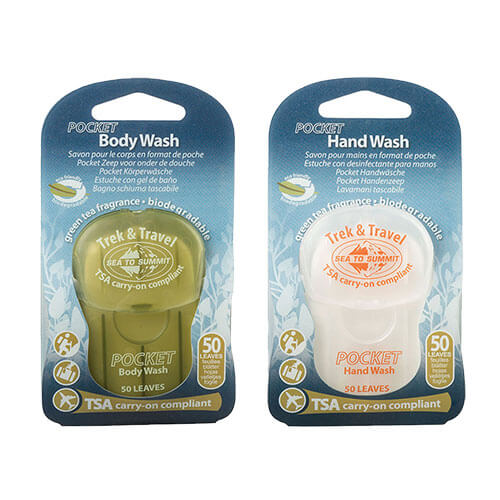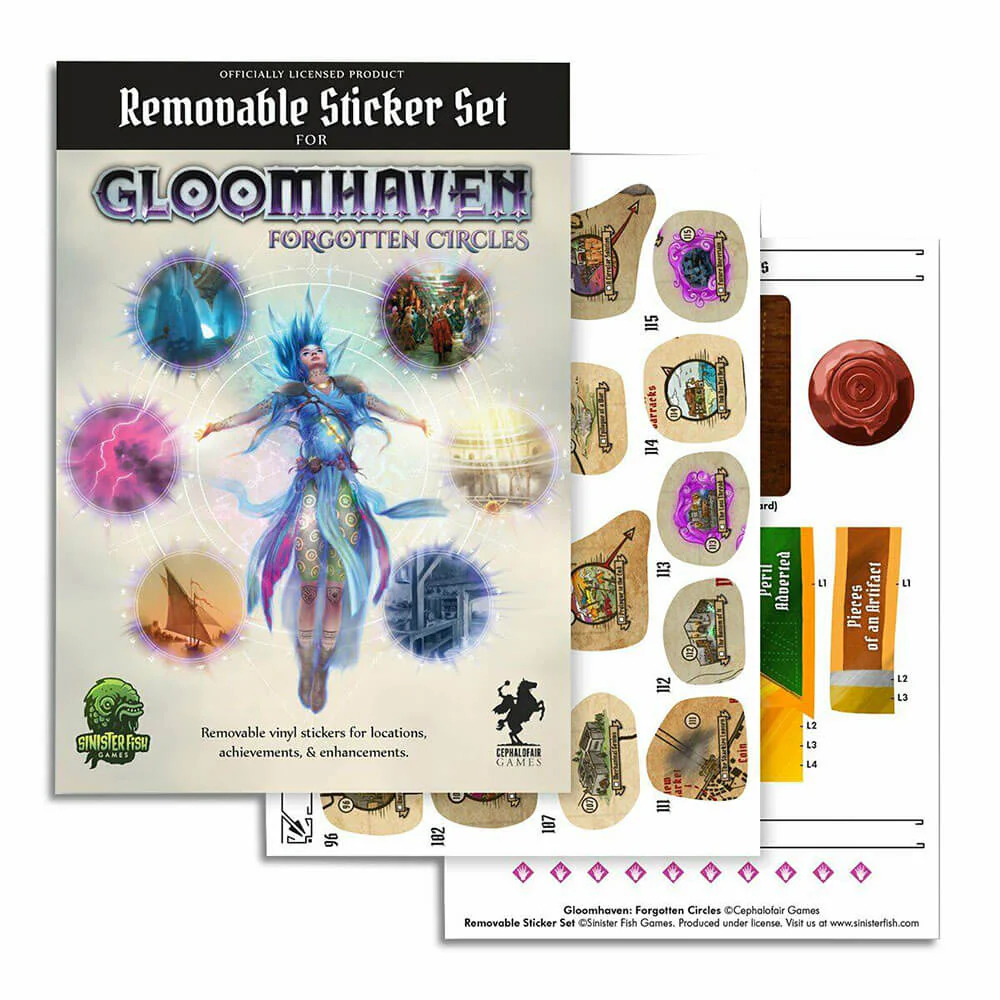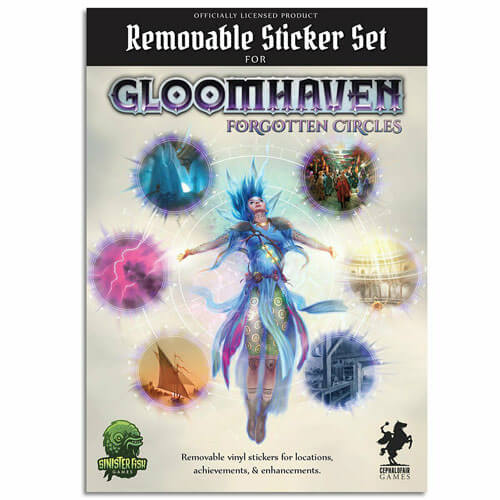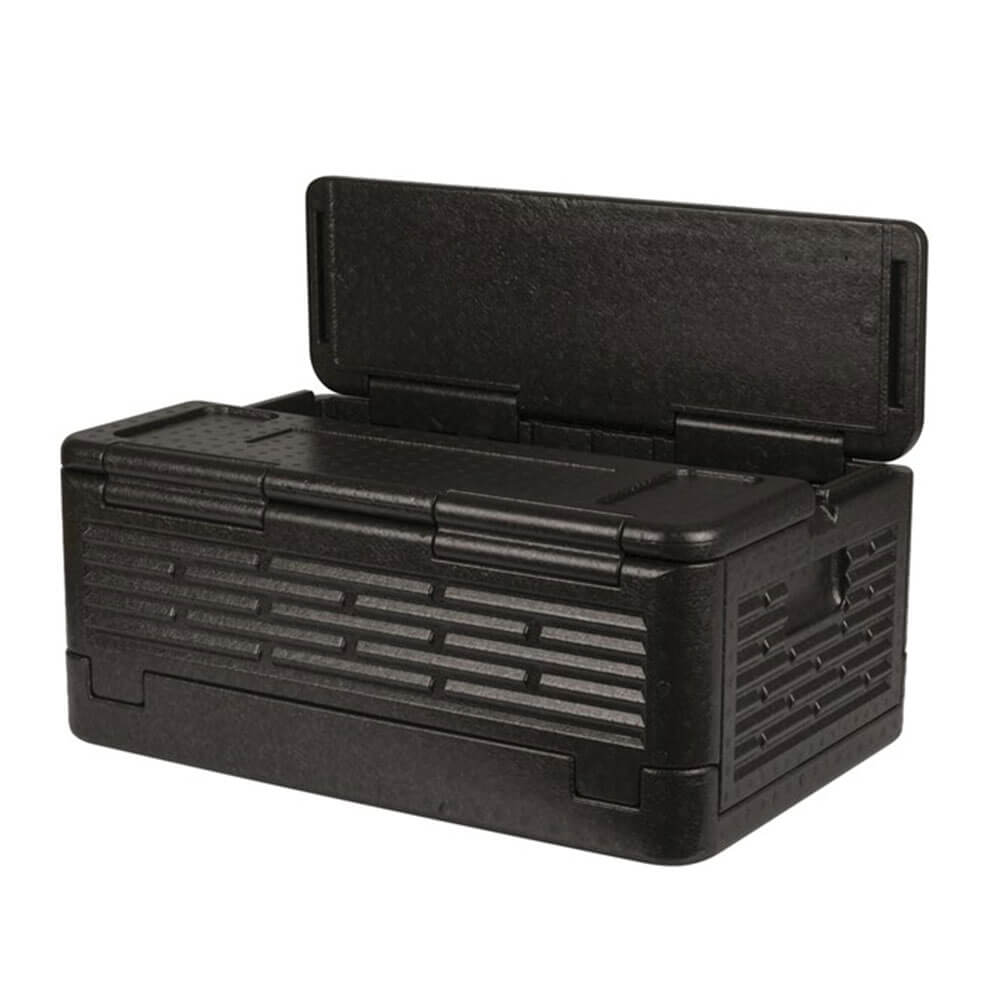
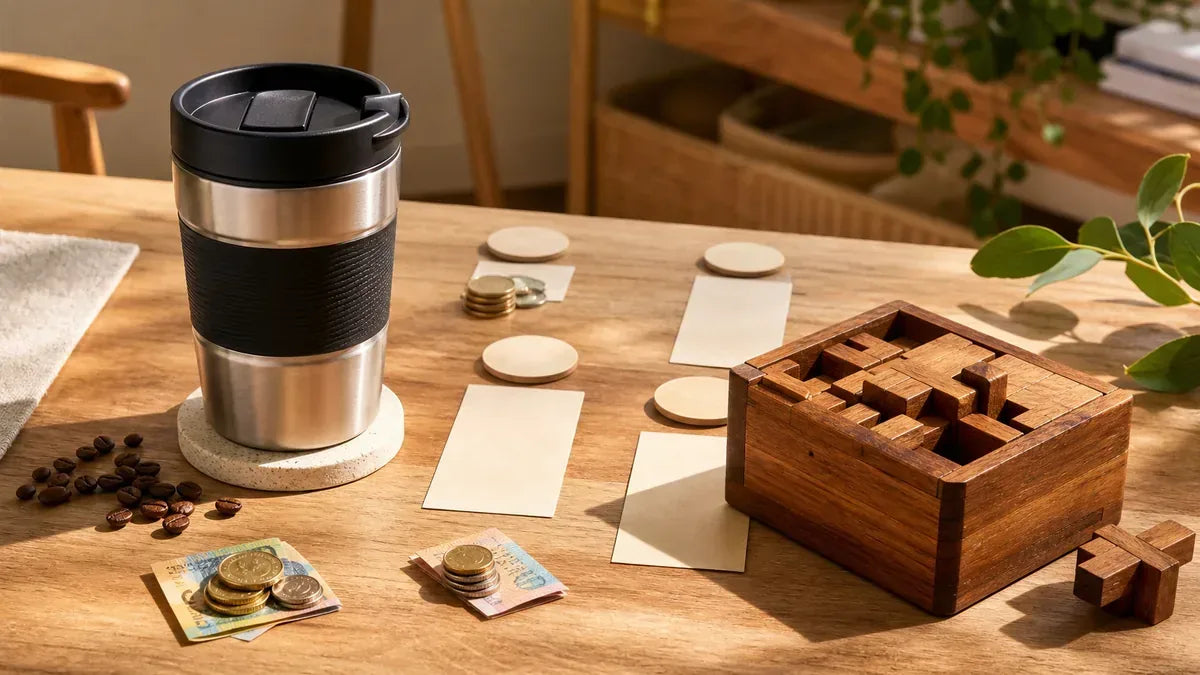
The most useful gift-budget searches to compare are under $25, under $30 and under $50. Under $25 suits small, low-pressure gestures; under $30 is the versatile middle path; and under $50 gives you more room for a substantial, functional or interest-led gift.
This is directional buying guidance, not a ranked claim based on search-volume data. The smarter move is to treat budget as your first filter-then avoid the obvious duplicate by choosing something useful, personal or playfully adjacent to what the recipient already owns.
Which gift budget should you search first?
If you know almost nothing about the recipient, start under $30. It is broad enough to support practical, funny and interest-led ideas without turning a modest occasion into a grand production. If you have a firm total-spend ceiling, begin under $25. Move towards under $50 when the occasion matters more, the relationship is closer or the gift needs to perform a more substantial job.
The key distinction is not simply "cheap, medium and expensive". Each band handles a different kind of buying pressure.
| Budget path | Details |
|---|---|
| Under $25 |
Best suited to: Small gestures, group exchanges, colleagues, casual hosts and add-on gifts Useful gift directions: Desk helpers, compact puzzles, kitchen accessories, travel utilities and safe novelty Main trade-off: Less room for complex features or highly specific hobby gear |
| Under $30 |
Best suited to: Birthdays, thank-you gifts, friends, relatives and hard-to-buy-for recipients Useful gift directions: Games, home helpers, practical gadgets, drink accessories and playful everyday items Main trade-off: Still requires discipline if compatibility or quality varies by category |
| Under $50 |
Best suited to: Closer relationships, main presents, milestones and shared household gifts Useful gift directions: Activity gifts, hobby-adjacent accessories, useful home items and more substantial travel or desk gear Main trade-off: A wrong choice creates more clutter and feels more noticeable |
| Flexible ceiling |
Best suited to: When fit matters more than using every dollar Useful gift directions: The best-matched option from any lower band Main trade-off: Easy to overspend merely because the budget allows it |
Do not treat the ceiling as a spending target. A well-matched $24 idea does not become less thoughtful because another $6 remained heroically unspent. Budget should narrow the search, not bully you into buying more object than the occasion needs.
Under $25 works when the thought needs to be clear and compact
The under-$25 path is strongest when the gift needs one obvious reason to exist. It might make a desk neater, improve a commute, create a quick shared activity or add a little personality to an everyday routine. This is where a compact item with a clear job usually beats a bundle of filler wearing a ribbon and hoping nobody asks questions.
Start with under-$25 gift ideas when buying for a colleague, casual friend, neighbour, host or group exchange. Useful category directions include:
- a small game or puzzle for someone who enjoys screen-free breaks;
- a desk or phone accessory for an organised-or aspiring-to-be-organised-recipient;
- a kitchen helper for someone who actually cooks;
- a compact travel organiser or personal-care utility for a frequent traveller;
- a safe novelty item tied to a joke you know they enjoy;
- a small home accessory that will not demand an entire display cabinet.
The main risk is choosing something so generic that it could have been handed to anyone in the room. Add one recipient signal: their commute, desk, pet, kitchen habits, game-night group or fondness for retro oddities. If you cannot name that signal, keep browsing.
Skip this path when the occasion carries strong sentimental weight or the recipient needs a technical item with exact specifications. A tiny surprise can be charming; a tiny surprise that requires the wrong cable is mostly admin.
Under $30 is the strongest all-round starting point

For many everyday occasions, under $30 is the practical sweet spot. It leaves room for a gift to feel complete while keeping the decision focused. That makes it useful for birthdays, thank-yous, workplace celebrations, family exchanges and the classic "I know them well, but apparently not well enough to know what to buy" situation.
Browse gifts under $30 when you want to compare several personalities without leaping between wildly different spending levels. The most reliable paths are usually:
- Practical: a desk, home, kitchen, car or travel item that fixes a recurring annoyance.
- Playful: a game, puzzle or novelty item with an obvious audience and setting.
- Personal: something linked to a hobby, routine, nostalgic interest or favourite way to unwind.
- Shared: an activity or home-use gift that can be enjoyed with a partner, family or group.
The extra room above $25 is useful when it improves function or recipient fit. It is not magic fairy dust. If the recipient already owns the basic gadget, buying a slightly different basic gadget often creates a drawer duplicate rather than delight.
Instead, move sideways. Someone with plenty of charging gear may get more use from cable organisation or a phone stand. Someone with several drink bottles may appreciate a lunch, travel or storage accessory. Someone with a shelf full of collectables may need display support more than another mystery object competing for the last six centimetres.
Under $50 suits a main gift-but asks for better judgement
The under-$50 band becomes useful when the gift is meant to stand on its own. It can support a more substantial activity, a better-developed practical idea or an accessory connected to an interest you understand. This is often a sensible path for close friends, relatives, milestone occasions, hosts you know well or household gifts intended for shared use.
Compare under-$50 gift ideas when you can answer at least one of these questions confidently:
- Where will the recipient use it?
- What routine will it improve?
- Who will they use it with?
- Which interest or collection does it complement?
- What basic item do they already own that this gift makes more useful?
Good directions might include family games, more substantial puzzles, home or kitchen accessories, travel gear, outdoor helpers, desk upgrades and hobby-adjacent organisation. Notice the phrase hobby-adjacent. Unless you know the hobby's exact models, formats or compatibility rules, an accessory that supports the activity is often safer than specialised core equipment.
The trade-off is that mistakes become more conspicuous. Before choosing, check dimensions, power requirements, model compatibility, age guidance, storage needs and the recipient's appetite for novelty. If you cannot verify a technical detail, switch to a low-setup category rather than guessing with great confidence and incorrect voltage.
If they already own the basic gadget, choose an adjacent gift

A common gift-buying reflex goes like this: they like coffee, so buy a mug; they travel, so buy a bottle; they use technology, so buy another charger. The logic is understandable, but it stops one step too early.
Better replacement logic asks what happens around the item they already use. Where is the friction? What gets lost, tangled, dirty, awkward to carry or annoying to store? An adjacent gift can make an existing favourite more useful without forcing the recipient to replace something they chose for themselves.
| They already own... | Details |
|---|---|
| Basic phone or charging gear |
Avoid defaulting to...: Another near-identical charger Consider an adjacent direction: A phone stand, cable organiser or travel case Check before choosing: Device size, connector needs and desk space |
| Several mugs or drink bottles |
Avoid defaulting to...: Another vessel with a random slogan Consider an adjacent direction: Coffee accessories, carry organisation or a useful desk companion Check before choosing: Daily routine, cleaning effort and storage |
| A basic kitchen gadget |
Avoid defaulting to...: A duplicate tool with slightly different buttons Consider an adjacent direction: Serving, storage, preparation or cleaning helpers Check before choosing: Kitchen space and how often they cook |
| A desk lamp or small electronic gadget |
Avoid defaulting to...: A speculative "upgrade" Consider an adjacent direction: Desk organisation, a clock, a practical holder or comfort accessory Check before choosing: Available space and workplace appropriateness |
| Board games or puzzles |
Avoid defaulting to...: A title chosen only because the box looks lively Consider an adjacent direction: A different play format, group size or travel-friendly activity Check before choosing: Player count, age suitability and complexity |
| Collectables or display pieces |
Avoid defaulting to...: A random figure from an uncertain interest Consider an adjacent direction: Display lighting, storage, care or shelf organisation Check before choosing: Shelf dimensions, power access and display style |
| Outdoor or travel basics |
Avoid defaulting to...: Another bulky piece of gear Consider an adjacent direction: Compact organisation, lighting or comfort support Check before choosing: Portability, weather exposure and setup needs |
A quick before-and-after reframe makes the method easier:
- Before: "They like gaming, so I should buy a game."
- After: "They host casual groups, so I should choose an activity that suits their usual player count."
Or:
- Before: "They travel, so I should buy travel gear."
- After: "They already have luggage, but their small essentials vanish into it. An organiser is more relevant."
The second version gives you a use case, a compatibility check and a reason the gift belongs to that person. That is doing considerably more work than "looked fun online".
Match the budget to the recipient and occasion
Relationship and occasion should set the level of risk before category does. A joke between close friends can be a winner; the same joke in an office exchange may begin a long and unnecessary meeting. Likewise, an interest-specific item can feel thoughtful when you know the details and baffling when you know only that the recipient once watched a science-fiction film.
Use this recipient-and-occasion filter before settling on a budget:
| Situation | Details |
|---|---|
| Colleague or group exchange |
Sensible starting band: Under $25 or under $30 Safer direction: Publicly appropriate desk, food-prep, puzzle or practical item What to avoid: Risqué humour, personal-care assumptions and bulky décor |
| Casual host or neighbour |
Sensible starting band: Under $25 Safer direction: Useful kitchen, serving, garden or home accessory What to avoid: Items requiring detailed taste or technical setup |
| Friend or relative |
Sensible starting band: Under $30 Safer direction: Routine-led, playful or nostalgic gift with a known connection What to avoid: Generic duplicates of things they already own |
| Close relationship or milestone |
Sensible starting band: Under $50 Safer direction: More substantial practical, shared or interest-led idea What to avoid: Using price as a substitute for personal relevance |
| Household or family |
Sensible starting band: Under $30 or under $50 Safer direction: A shared activity or broadly useful home item What to avoid: Gifts only one person can use unless that is intentional |
| Hobby enthusiast |
Sensible starting band: Any band, depending on fit Safer direction: Storage, display, care or participation support What to avoid: Specialised equipment without exact compatibility knowledge |
Age and life stage matter too. Check whether the gift is appropriate for the recipient's abilities, space and household. A tiny flat does not become larger because the collectable is amusing. A busy parent may value fast setup more than elaborate presentation. A frequent traveller is usually better served by compact utility than an object with its own postcode.
When uncertain, choose practical with one playful detail. That combination tends to feel considered without demanding the recipient reorganise a room, learn a new system or pretend to understand the joke.
Use this buyer-confidence check before committing

A budget-led search suits buyers who know the spending limit but need help translating a few clues into a useful direction. It works particularly well for everyday birthdays, exchanges, thank-yous and recipients who already own the obvious basics.
It is less suitable when the gift must meet exact technical requirements, carry major sentimental meaning or fit a highly specialised collection. In those cases, research the specifications first and use budget second.
| Confidence check | Details |
|---|---|
| Who it suits |
Green light: You know one routine, interest or recurring annoyance Warning sign: You know only age and a broad stereotype Safer fallback: Choose a low-setup practical or shared-use category |
| Who should skip |
Green light: The occasion is casual or moderately important Warning sign: The gift marks a major personal milestone Safer fallback: Add a personal keepsake or experience rather than relying on budget alone |
| Setup and compatibility |
Green light: No model, size, power or installation choice is required Warning sign: The item must fit an exact device, shelf or hobby system Safer fallback: Choose organisation, care or general-use support instead |
| Already owns the basic item |
Green light: The gift improves how they use, carry, store or enjoy it Warning sign: You are considering a near-identical replacement Safer fallback: Move one category sideways to an adjacent helper |
| Novelty risk |
Green light: You can explain why the recipient will enjoy the joke Warning sign: The humour is mainly amusing to the buyer Safer fallback: Pick useful first, playful second |
Then run the gift through this seven-minute workflow:
- Set the real ceiling. If your total budget includes wrapping or delivery, leave room rather than treating the item price as the entire calculation.
- Name one recipient signal. Choose a routine, hobby, room, problem or shared joke-not a vague label such as "likes stuff".
- Choose the role. Is the gift practical, playful, personal or shared?
- Inventory the basics. Assume popular gadgets and everyday objects may already be covered.
- Move sideways. Look for something that organises, protects, displays, carries or expands the use of an existing item.
- Check friction. Review size, compatibility, storage, setup, age suitability and public appropriateness.
- Use the one-sentence test. Finish: "I chose this because you..." If the sentence sounds specific and natural, you are close.
Stop browsing when the gift fits the budget, recipient and occasion while passing the practical checks. Endless comparison does not always improve the decision. Sometimes it merely introduces a novelty banana holder at the eleventh hour.
Frequently asked questions about gift budgets
What is a reasonable budget for a casual gift?
Under $25 is a sensible starting band for low-pressure occasions such as group exchanges, small thank-yous, casual hosts and workplace celebrations. Recipient fit matters more than reaching the ceiling. Choose something with one clear use or connection rather than several generic fillers.
Is under $30 enough for a birthday gift?
Yes. An under-$30 gift can work well for many everyday birthdays when it connects to the recipient's routine, humour or interests. Focus on a complete idea: a useful desk helper, compact game, kitchen accessory, travel utility or carefully judged novelty. Avoid apologising for the budget through unnecessary bundling.
Should I buy one gift or several smaller items?
Usually, one coherent gift is stronger than several unrelated items. A small bundle can work when every component supports the same activity-such as travel organisation or a home routine-but random extras often dilute the thought behind the main choice.
Does spending under $50 automatically produce a better gift?
No. A higher ceiling creates more options, but it also raises the cost of poor fit. Use under $50 when you understand the recipient's needs, space or interests well enough to choose confidently. Otherwise, a lower-cost, lower-setup gift may be more welcome.
What should I buy when the recipient already owns the usual gadgets?
Choose an adjacent gift rather than a duplicate. Look for something that helps them organise, carry, display, protect or get more use from what they already have. When compatibility is uncertain, prioritise non-technical accessories and practical support.
Ready to narrow the rabbit hole? Pick the budget path that matches the occasion, compare practical and playful directions, then choose the idea you can explain in one genuinely recipient-specific sentence.
For a relevant browse path, compare this with electronics and gadgets.
For the next browse step, compare the fit against Family Games.